Solo Camping Water Purification: Filters, Drops and Boiling
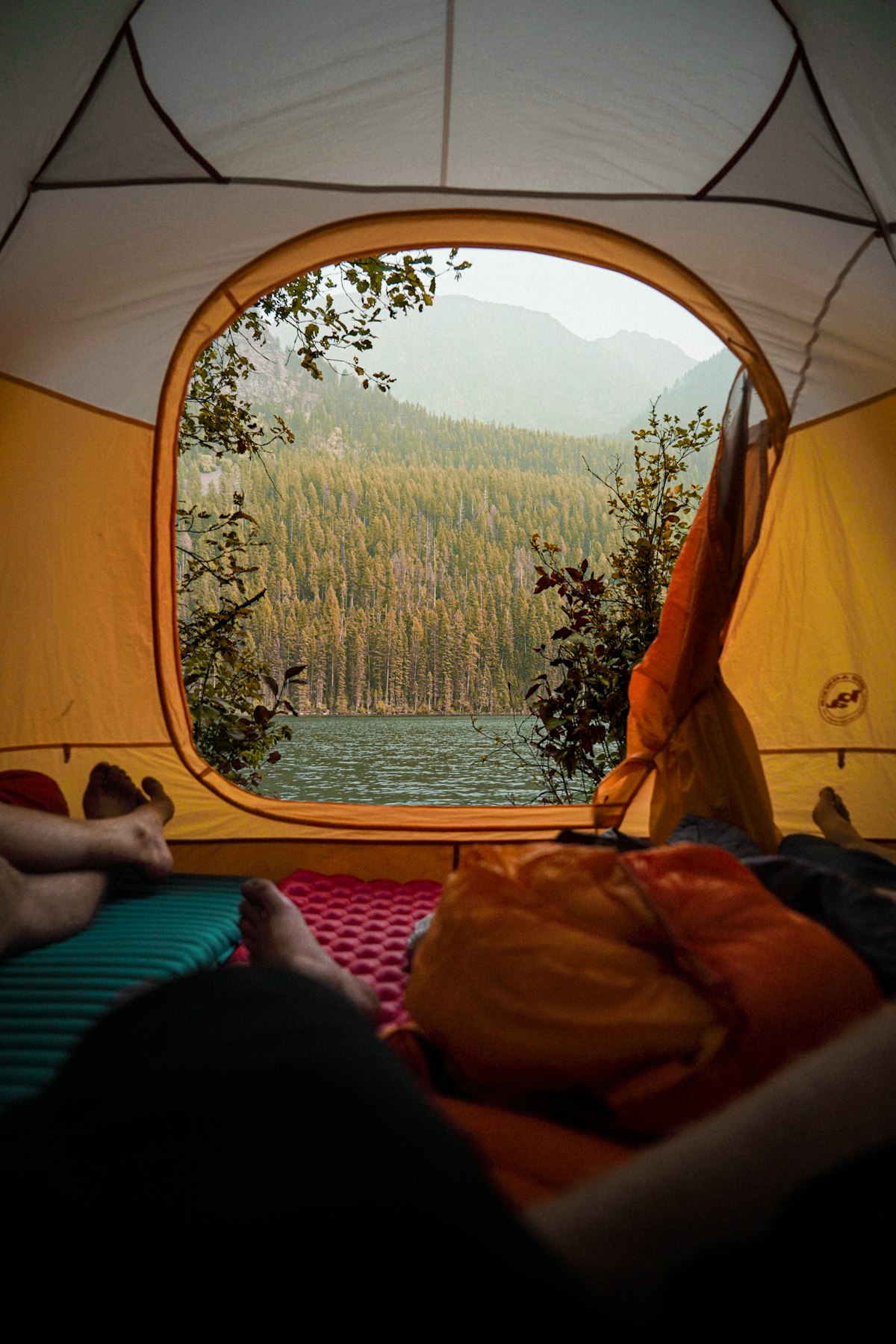
Image source: Unsplash (Free to use)
Solo Camping Water Purification: Filters, Drops and Boiling
I got giardia on a trip in the Rockies about six years ago. I had filtered almost everything, but on the last morning I was in a hurry and drank straight from a fast-flowing, clear, cold stream that looked — and I remember thinking this exact thought — "too clean to be a problem." Ten days later I found out what giardia does. It was two weeks of misery and a course of antibiotics over roughly thirty seconds of saved effort.
Clear, cold, and fast-moving tells you nothing about whether water is safe. There could be a dead animal or a grazing herd 200 m upstream and the water would look identical. That is the single most important thing in this article.
Water treatment on a solo trip carries extra weight because there is no backup. Nobody else's filter to borrow, and nobody to help if you get sick two days from a trailhead. Here is what actually works.
What You Are Actually Treating For
Different methods handle different threats. This is why "which filter is best" is the wrong question until you know what you need to remove.
Protozoa — giardia and cryptosporidium. Relatively large (1–15 micrometres), present in essentially all surface water where mammals live, and the most common cause of backcountry illness. Cryptosporidium is notably resistant to chlorine and iodine.
Bacteria — E. coli, campylobacter, salmonella. Smaller (0.2–5 micrometres). Common where livestock, agriculture, or heavy human use is upstream.
Viruses — hepatitis A, norovirus, rotavirus. Very small (0.02–0.1 micrometres), too small for most filters to catch. Rare in remote North American and European wilderness; a genuine risk in areas with dense human presence or poor sanitation, and in much of Asia, Africa and Latin America.
Chemicals, heavy metals, and sediment — from mining, agricultural runoff, and industry. Almost nothing in a portable kit removes dissolved chemicals. Activated carbon reduces some, and improves taste. The real defence is not collecting water downstream of a mine or farmland in the first place.
The practical summary: in remote temperate wilderness, filtering for protozoa and bacteria is sufficient. Internationally, or anywhere with significant human presence upstream, you need virus protection too.
The Methods Compared
Hollow Fibre Filters
The current default, and what I use. Water is forced through bundles of microscopic tubes.
- Removes: protozoa and bacteria. Not viruses.
- Pore size: typically 0.1–0.2 micrometres
- Weight: 60–350 g depending on type
- Speed: fast — 1 litre in 1–3 minutes
- Lifespan: 1,000–100,000+ litres depending on model
- Cost: low to moderate
Advantages: fast, no chemical taste, no waiting, works immediately, and simple.
The critical weakness: freezing destroys them. Water trapped in the fibres expands and cracks them, creating channels that pass everything — and there is no way to see the damage. If a filter has frozen, or you suspect it has, retire it. In cold weather my filter sleeps in my sleeping bag, every night, without exception.
They also clog with silty water. Backflush regularly using the manufacturer's method — most people never read it and then wonder why flow dropped.
Formats: squeeze filters (light, cheap, fiddly), pump filters (heavy, work with shallow water, reliable), gravity systems (excellent for large volumes, slow to set up), and inline bottle filters (most convenient for drinking on the move).
Chemical Treatment: Chlorine Dioxide
- Removes: protozoa, bacteria, and viruses. Complete coverage.
- Weight: 20–50 g. Effectively nothing.
- Speed: 30 minutes for bacteria and viruses, up to 4 hours for cryptosporidium
- Cost: very low
Chlorine dioxide tablets or drops are the best backup treatment available and my standard second method. Complete pathogen coverage, no moving parts, cannot freeze-fail, and weigh nothing. Mild taste, far better than iodine.
The 4-hour cryptosporidium wait is the real limitation. Plan ahead: treat water in the evening for the following morning.
Iodine
- Removes: protozoa (poorly — ineffective against cryptosporidium) and bacteria and viruses
- Strong taste, stains, and should not be used by people with thyroid conditions, pregnant women, or for more than a few weeks continuously
Largely superseded by chlorine dioxide. Not what I would choose today.
Boiling
- Removes: everything biological. Nothing is more reliable.
- Method: a rolling boil for 1 minute at low elevation; 3 minutes above 2,000 m where the boiling point is lower.
- Costs: fuel, time, and you then have hot water you must wait to cool.
Boiling is the ultimate fallback. If your filter fails and your tablets are gone, you can still make water safe with a stove and a pot. Worth remembering, impractical as a primary method.
UV Treatment
- Removes: protozoa, bacteria, and viruses
- Requires: clear water (UV cannot penetrate turbidity) and working batteries
- Fast — around 90 seconds per litre
Effective but battery-dependent and useless in silty water. Two failure modes I would rather not carry on a solo trip.
Purifiers vs Filters
A filter removes protozoa and bacteria. A purifier also handles viruses, either through a much finer membrane, an added chemical stage, or a hollow-fibre-plus-carbon combination. If you are travelling internationally or in areas with poor sanitation upstream, you want a purifier or a filter plus chemicals.
What I Actually Carry Solo
Primary: a hollow fibre filter, kept warm in cold weather. Backup: chlorine dioxide tablets, always, in the first aid kit where I will not forget them. Fallback: a stove and pot, which I have anyway.
That is three independent methods for roughly 100 g of dedicated weight. On a solo trip this redundancy is not paranoia — a failed filter with no backup means either drinking untreated water or ending the trip, and both are bad options.
Finding and Collecting Water
Treatment is the second half of the problem. Collection technique matters as much.
Choosing a Source, Best to Worst
- Springs at the source. Water emerging directly from rock is the best available. Collect at the emergence point, not downstream.
- Fast-moving streams above human and livestock activity. Look upstream mentally: what is up there? Trails, campsites, grazing land, mines?
- Large lakes, collected well away from shore and shallows. Deeper, cooler water away from the bank has less biological activity.
- Slow rivers. Acceptable with treatment, more sediment.
- Standing ponds and puddles. Last resort. High biological load and often high sediment.
- Water downstream of a mine, tailings, agricultural land, or a road culvert. Avoid entirely — no filter removes dissolved chemicals or heavy metals.
Collection Technique
- Face upstream and collect from flowing water, not from a stagnant edge pool.
- Do not disturb the bottom. Stirring sediment into your bottle clogs filters and makes chemical treatment less effective.
- Use a wide-mouth bottle or a collapsible scoop for shallow sources. A 1 L cut-down bottle or a flexible bag makes collecting from a 3 cm trickle possible.
- Pre-filter silty water through a bandana into your collection bottle, then treat. This alone can multiply your filter's lifespan.
- Let sediment settle for 20–30 minutes before treating if the water is cloudy. Decant off the top.
- Keep clean and dirty containers separate and clearly marked. Cross-contamination is the most common way people get sick despite treating properly — a filtered bottle with an unfiltered rim is not safe. I mark mine with tape.
Finding Water When There Is None Marked
- Follow terrain downhill. Contour lines forming a V pointing uphill indicate drainages.
- Look for green vegetation in otherwise dry terrain.
- Base of cliffs and rock faces, where seeps emerge.
- Ask at the trailhead or ranger station. Current, local knowledge beats any map.
- Never rely on a mapped source without a backup plan. Map data can be decades old and springs are seasonal.
Solo-Specific Considerations
Redundancy is not optional. Two methods minimum, three preferred. Nobody is sharing theirs.
Know your consumption. 3–4 litres per day for moderate conditions; 4–6 in heat; more with heavy exertion. Plan collection points along your route, and know the distance between them.
Never let your reserve go below 1 litre before reaching your next known source. If the source is dry, that litre is what gets you to the next option.
Treat before you are desperate. Dehydration impairs judgment, and impaired judgment is how you end up drinking straight from a stream because it looks clean. That is precisely the decision I made.
Understand the timeline of illness. Giardia symptoms typically appear 1–3 weeks after exposure — usually after you are home. Cryptosporidium is 2–10 days. Bacterial illness can hit within hours to days, and that one can happen mid-trip. Getting bacterial gastroenteritis alone, two days from a trailhead, is a genuinely serious situation because dehydration compounds fast.
Carry oral rehydration salts in your first aid kit. If you do get sick in the field, dehydration is the actual danger, not the infection.
Common Mistakes
- Trusting appearance. My mistake. Clear, cold and fast means nothing.
- Letting a filter freeze. Silent, invisible, total failure. Sleep with it in cold weather.
- Never backflushing. Flow drops, people assume the filter is dead, and they replace a perfectly good filter — or worse, give up and drink untreated.
- Cross-contaminating the clean bottle. Unfiltered water on the threads or the mouthpiece defeats the whole process.
- Not waiting long enough with chemicals. 30 minutes is not enough for cryptosporidium. Four hours is.
- Only one method. On a solo trip this is the mistake with the largest consequence.
- Filtering chemically contaminated water and assuming it is safe. It is not. Source selection is the only defence.
Wrapping Up
Thirty seconds of impatience cost me two weeks. The stream genuinely did look pristine, and that is the entire lesson.
Carry a hollow fibre filter as your primary, chlorine dioxide tablets as backup, and remember that your stove is a third method. Keep the filter from freezing. Collect from flowing water facing upstream without stirring sediment. Keep clean and dirty containers strictly separate.
Then drink freely, which is the actual goal — dehydration causes far more problems in the backcountry than pathogens do.