Solo Camping Bug Protection: Ticks, Mosquitoes and Blackflies
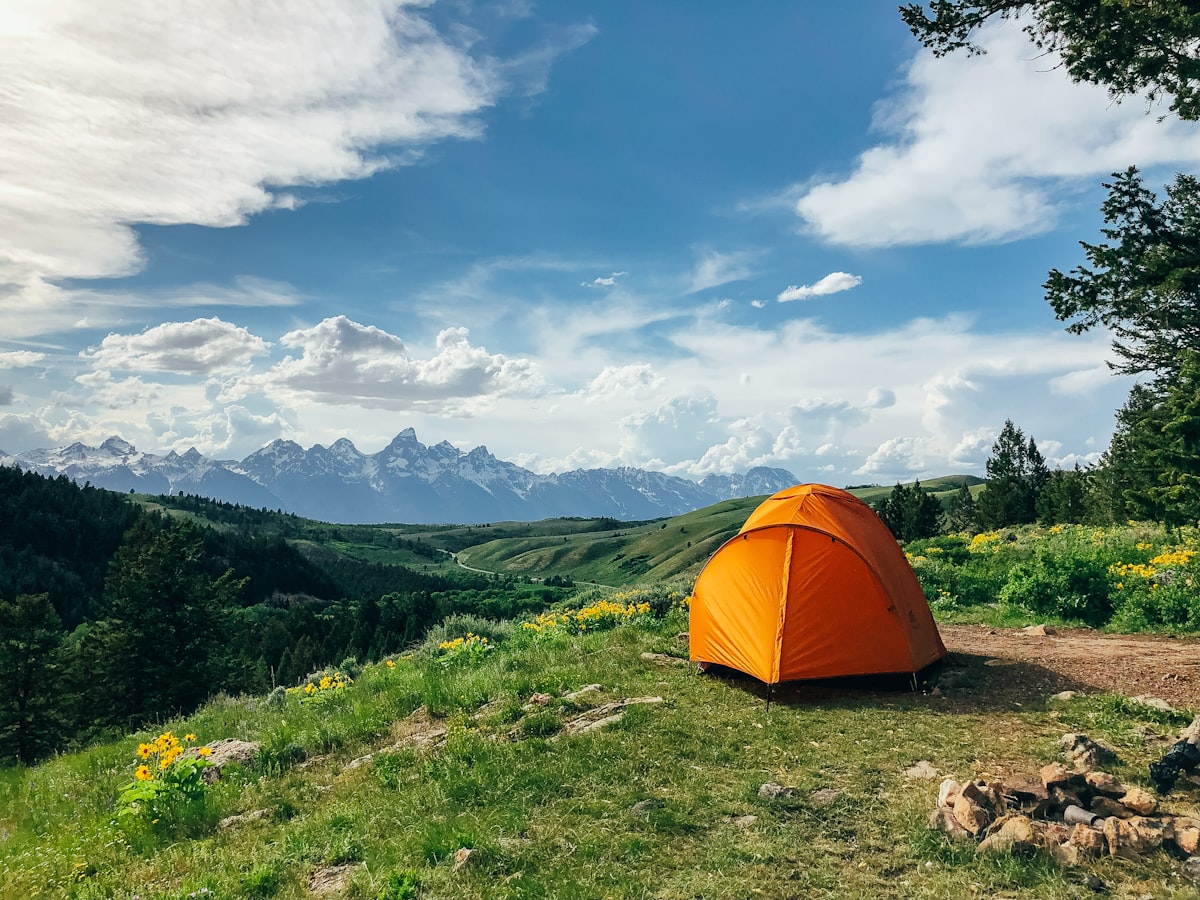
Image source: Unsplash (Free to use)
Solo Camping Bug Protection: Ticks, Mosquitoes and Blackflies
I cut a trip short because of blackflies. Not weather, not injury, not gear failure — insects. Northern Ontario in early June, which anyone local could have told me was the worst possible timing. I had repellent, I had a tent with mesh, and none of it mattered because blackflies crawl into your hair, behind your ears, and into your sleeves, and they bite in a way that leaves you bleeding. After two days of being unable to sit still outside for more than ninety seconds, I walked out.
Bugs are the most underestimated factor in camping comfort. They rarely appear on gear lists as a serious category, and they are frequently what determines whether a trip is pleasant or unbearable. Alone, there is nobody to share the misery with, which somehow makes it worse.
Here is a proper defence system, and — more importantly — how to avoid needing it.
Know Your Adversary
Different insects require different tactics. Treating them all the same is why people fail.
Mosquitoes
Active at dawn and dusk, worst near standing water, attracted to carbon dioxide, body heat, and sweat. They breed in still water, so their density is almost entirely a function of nearby stagnant water and recent rain. Peak season is typically late spring through midsummer.
The real concern is disease transmission — West Nile virus, and regionally, other arboviruses. In most temperate wilderness the risk is low but not zero.
Blackflies
Small, ferocious, and the reason for my aborted trip. They are day-active (unlike mosquitoes), attracted to dark colours and carbon dioxide, and they crawl into openings rather than biting through clothing. Their bites often bleed and can swell significantly.
They breed in fast-flowing, clean water, which means they are worst exactly where the scenery is best. Season is short and intense — roughly late May through early July in northern regions. Timing is the primary defence, because repellent is only partially effective against them.
Ticks
The genuinely serious one, because of Lyme disease, anaplasmosis, babesiosis, and regionally other tick-borne illnesses. Ticks do not fly or jump; they wait on vegetation and attach when you brush past. They prefer tall grass, leaf litter, and brushy edges rather than open trail or bare ground.
Peak activity is spring and autumn, but nymphs — which are poppy-seed sized and cause the majority of Lyme transmissions precisely because they are so hard to see — are most active in early summer.
Transmission generally requires the tick to be attached for 24–48 hours, which is why daily checking is the single most effective preventive measure available.
No-See-Ums (Biting Midges)
Tiny enough to pass through standard mosquito mesh. If they are present in numbers, you need "no-see-um mesh" specifically. Worst at dusk, near water, in still air.
Wasps, Hornets and Bees
Not usually a bite problem, but a genuine risk for anyone with an allergy. If you carry an epinephrine auto-injector, carry two, keep them accessible rather than buried in your pack, and — critically for solo trips — make sure your trip plan tells someone about the allergy.
The Defence System
Four layers, in order of effectiveness.
Layer 1: Timing and Location (The Best Defence)
This is far more powerful than any product, and it is free.
- Avoid peak season. In blackfly country, camping three weeks later transforms the trip. Ask locally or check regional bug reports — many areas publish them.
- Camp away from standing water. 100 m from a marsh or pond makes an enormous difference to mosquito density. Note this conflicts with wanting a lakeside site; the compromise is a site near flowing water rather than still.
- Choose exposed, breezy sites. Even a light breeze grounds mosquitoes and blackflies. A ridge or a point with airflow beats a sheltered hollow, for bugs specifically.
- Higher and drier is better. Bug density typically drops with elevation and away from vegetation.
- Avoid dawn and dusk activity in mosquito country. Cook early, be in the tent at dusk, come out after dark when they settle.
- After rain is worse. Standing water means a hatch in 7–10 days.
I now check the season before choosing a destination rather than choosing a destination and hoping. That change alone has prevented every repeat of the Ontario trip.
Layer 2: Permethrin-Treated Clothing
This is the most underused effective tool in bug protection, and it is the one that works against ticks.
Permethrin is applied to clothing and gear, never skin. It kills or disables ticks on contact and repels mosquitoes and blackflies. Studies have found treated clothing dramatically reduces tick attachment.
How to use it:
- Treat trousers, socks, shirts, gaiters, and the outside of your tent and pack. Not underwear or anything against sensitive skin.
- Spray outdoors until damp, hang and let dry completely — usually 2–4 hours. It must be fully dry before wearing.
- One treatment lasts roughly 6 weeks or 6 washes.
- It is toxic to cats while wet. If you have a cat, treat gear well away from it and let it dry completely.
- Factory-treated clothing is available and lasts far longer, around 70 washes.
Socks and trouser cuffs are the highest-value items to treat, because that is where ticks board.
Layer 3: Skin Repellent
Three options that actually work. Everything else is largely marketing.
DEET. The benchmark, effective against mosquitoes, ticks, and blackflies.
- 20–30% is the sweet spot. Higher concentrations extend duration, not effectiveness — 100% DEET is not more effective, just longer-lasting and unpleasant.
- 20% gives roughly 4–5 hours; 30% around 6.
- It damages plastics and synthetic fabrics. It will haze watch faces, damage sunglasses, and degrade some technical fabrics and tent mesh. Apply carefully and wash hands before handling gear.
Picaridin (icaridin), 20%. My preference now.
- Comparable effectiveness to DEET against mosquitoes and ticks, slightly better against flies in some testing.
- Does not damage plastics or fabrics. This alone makes it the better choice for gear-heavy trips.
- No oily feel, minimal odour.
- Roughly 6–8 hours at 20%.
Oil of lemon eucalyptus (OLE) / PMD, 30%. The only plant-derived option with solid evidence behind it.
- Effective for around 6 hours.
- Not for children under 3.
- Strong scent that some people dislike intensely.
What does not work well: citronella candles (minimal effect beyond a few centimetres), ultrasonic devices (no credible evidence), vitamin B supplements (no evidence), and most untested essential oil blends.
Application matters: apply to all exposed skin including ears, neck, and ankles, and reapply after sweating or swimming. Sunscreen first, repellent second, roughly 20 minutes apart.
Layer 4: Physical Barriers
When bugs are severe, chemistry is not enough.
- A bug head net. Weighs 30 g, costs almost nothing, and is the difference between eating dinner and retreating to the tent. In blackfly conditions this is not optional.
- Long sleeves and long trousers, loose fitting. Mosquitoes can bite through tight fabric stretched over skin.
- Light colours. Blackflies and mosquitoes are both drawn to dark colours.
- Tuck trousers into socks in tick country. Looks ridiculous, works completely.
- Gaiters, which also cover the highest-risk boarding zone for ticks.
- A tent with good mesh — no-see-um mesh if midges are a factor. Check for holes before every trip and repair them; one hole means one very long night.
- A bug bivy or mesh inner if you sleep under a tarp.
Tick Protocol
This deserves its own section because it is the highest-consequence part.
Daily Check, Every Evening
Non-negotiable in tick country. Full body, and specifically:
- Behind and inside the ears
- Hairline and scalp
- Back of the neck
- Armpits
- Waistband line
- Groin
- Behind the knees
- Between toes
Solo, this is harder — you cannot check your own back or scalp properly. Use your phone's camera, run your fingers systematically over your scalp, and check your clothing carefully as you undress. A ticked-off shirt inspected in daylight catches many.
Correct Removal
- Fine-tipped tweezers or a tick removal tool. Not fingers, not a match, not petroleum jelly, not nail polish — all of those risk making the tick regurgitate into the wound, which increases transmission risk.
- Grasp as close to the skin as possible.
- Pull straight up, steady and firm. Do not twist or jerk.
- Clean the site with antiseptic and wash your hands.
- Note the date and, if you can, keep the tick in a sealed bag or take a photo. If you later develop symptoms, identification helps.
- Mouthparts left behind? Leave them. Digging causes more damage than the fragment does; it will work out like a splinter.
When to Seek Medical Advice
See a doctor if you develop: an expanding rash — particularly a bullseye pattern — fever, headache, fatigue, joint pain, or facial palsy in the weeks after a bite. Mention the tick bite and the date explicitly.
Early Lyme disease is highly treatable with antibiotics. Late Lyme is much harder. This is a situation where being slightly over-cautious is clearly correct.
Treating Bites
- Do not scratch. Broken skin invites infection, which in the backcountry matters more than the itch.
- Cold water or a cold compress reduces swelling.
- Antihistamine cream or oral antihistamine for significant reactions. Carry both in your first aid kit.
- Hydrocortisone cream for persistent itching.
- Watch for infection — spreading redness, warmth, pus, red streaking. Infected bites are a genuine reason to walk out.
- Blackfly bites often bleed and swell more than expected. Clean and cover them.
- Seek help urgently for any sign of systemic allergic reaction: difficulty breathing, throat or facial swelling, widespread hives, dizziness.
The Bug Kit
Total weight around 200 g:
- Picaridin or DEET repellent, 100 ml
- Permethrin — applied to clothing at home, not carried
- A bug head net
- Fine-tipped tweezers or a tick tool
- Antihistamine tablets and cream
- Hydrocortisone cream
- Antiseptic wipes
- Two epinephrine auto-injectors, if you have a known allergy
Wrapping Up
Walking out of that Ontario trip felt like a failure at the time. It was actually a reasonable decision made too late — the real mistake was three weeks earlier, when I picked a date without asking a single person about blackfly season.
Timing and site selection do more than every product combined. Treat your socks and trouser cuffs with permethrin before the season starts. Carry 20% picaridin and a head net. Check for ticks every single evening, and remove them with tweezers pulled straight up.
Get the timing right and you may barely need the rest.